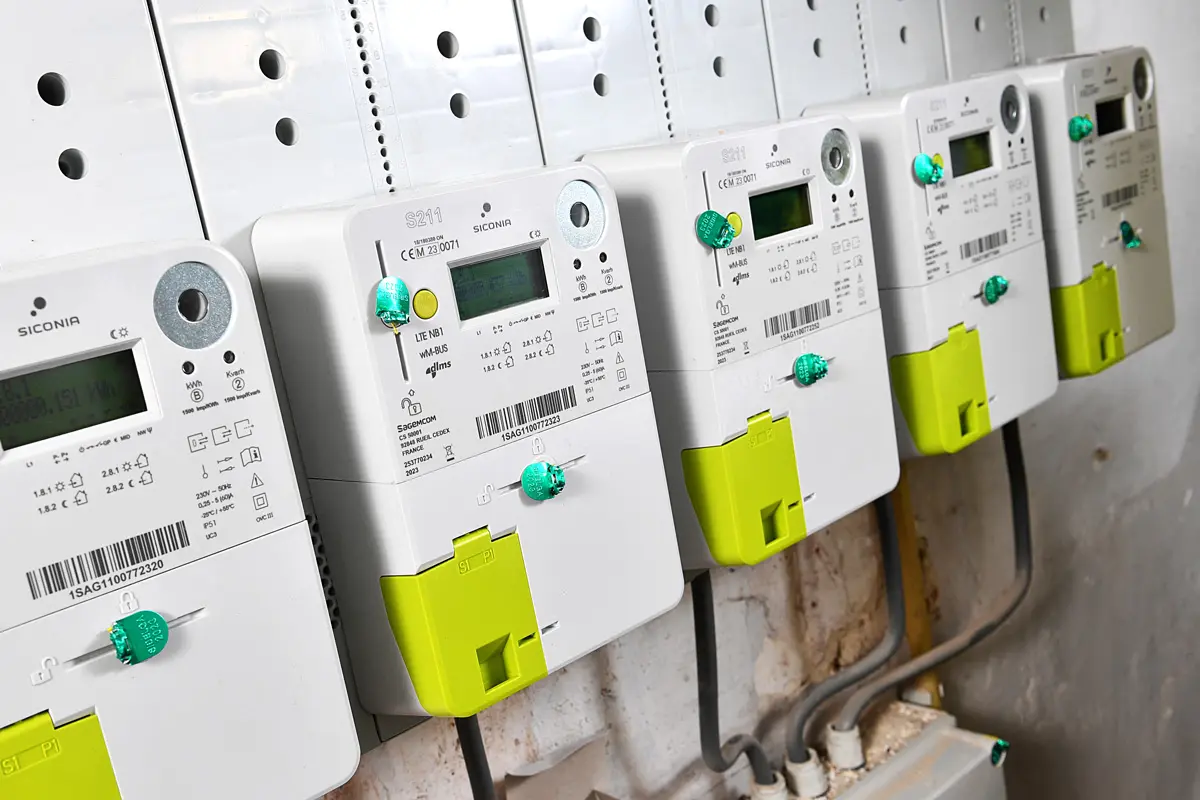
À partir du 1er janvier 2026, la Belgique introduira officiellement les tarifs dynamiques d'électricité. C'est une évolution majeure pour les foyers et entreprises équipés d'un compteur communicant, mais aussi une véritable opportunité pour ceux qui disposent déjà d'une batterie Belup.
Understanding dynamic tariff tracking
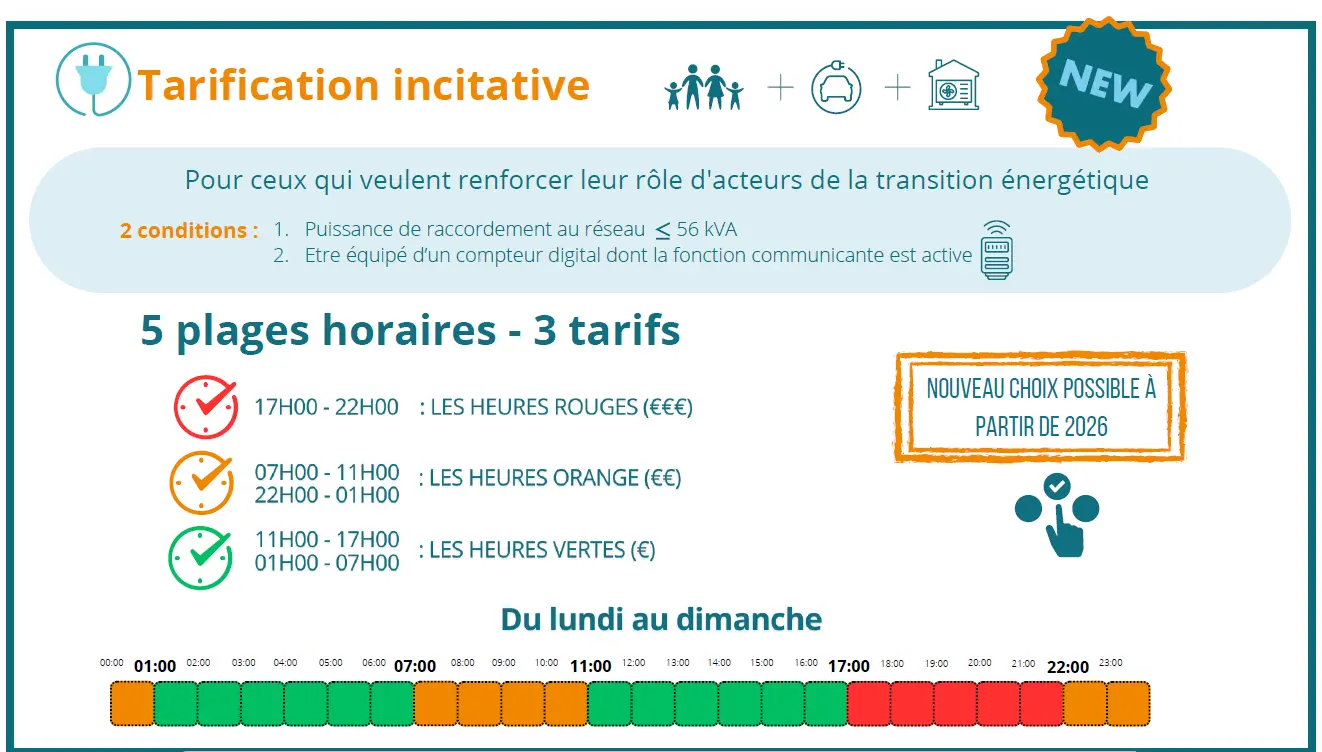
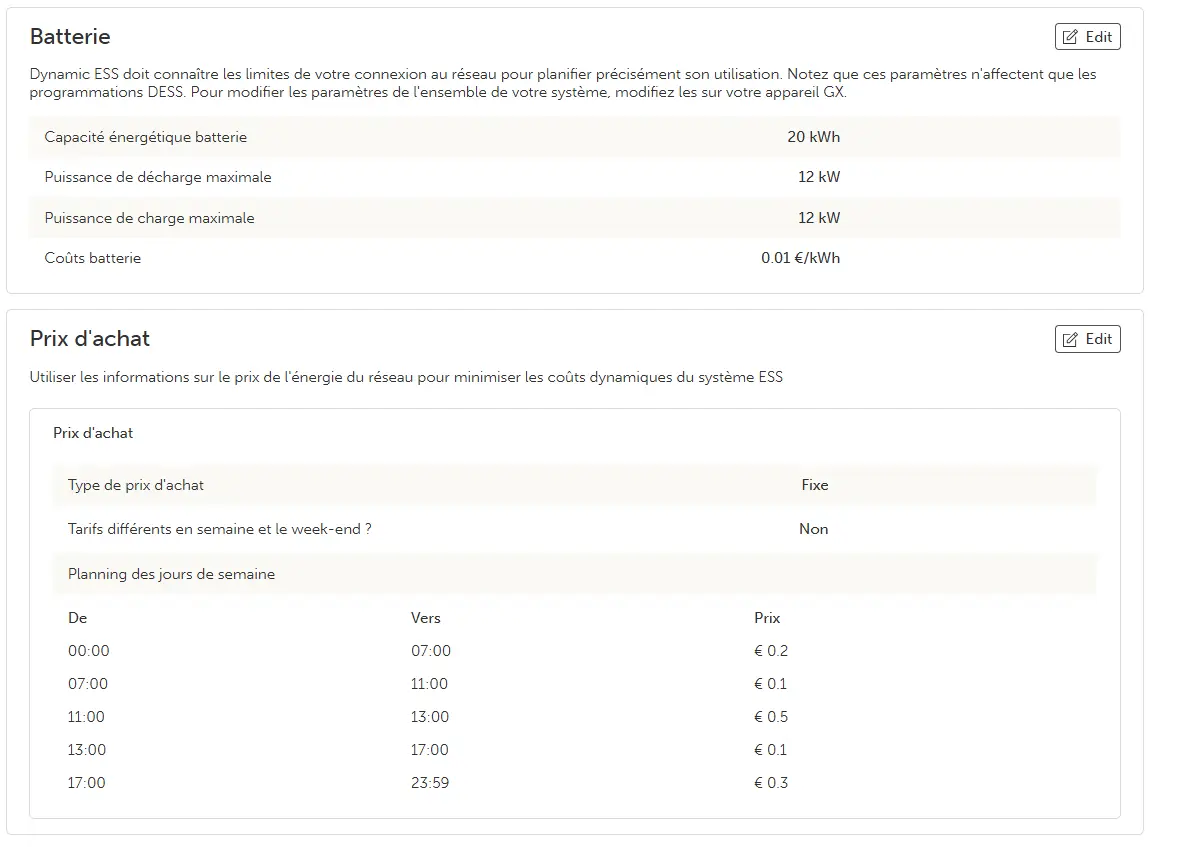
Contrairement aux anciens tarifs fixes ou bi-horaires, le tarif dynamique varie chaque heure selon le prix réel de l'électricité sur le marché européen.
En pratique, le coût du kWh pourra varier d'un facteur de 1 à 4 entre les périodes les moins chères et les plus chères de la journée. Les heures les moins chères se situent généralement la nuit ou en milieu de journée, lorsque la production solaire est abondante.
Les prix les plus élevés apparaissent souvent en soirée, entre 18 h et 22 h, lorsque la demande est maximale. Ce système encourage les utilisateurs à consommer l'électricité quand elle est la plus disponible et la moins coûteuse.
Belup systems preempting tariff leaps
Belup reserves and structural bundles interface innately mapping dynamic charts. Through proprietary analytical overlays, these arrays auto-tune to secure core margins:
- Buffering during core discounted runs.
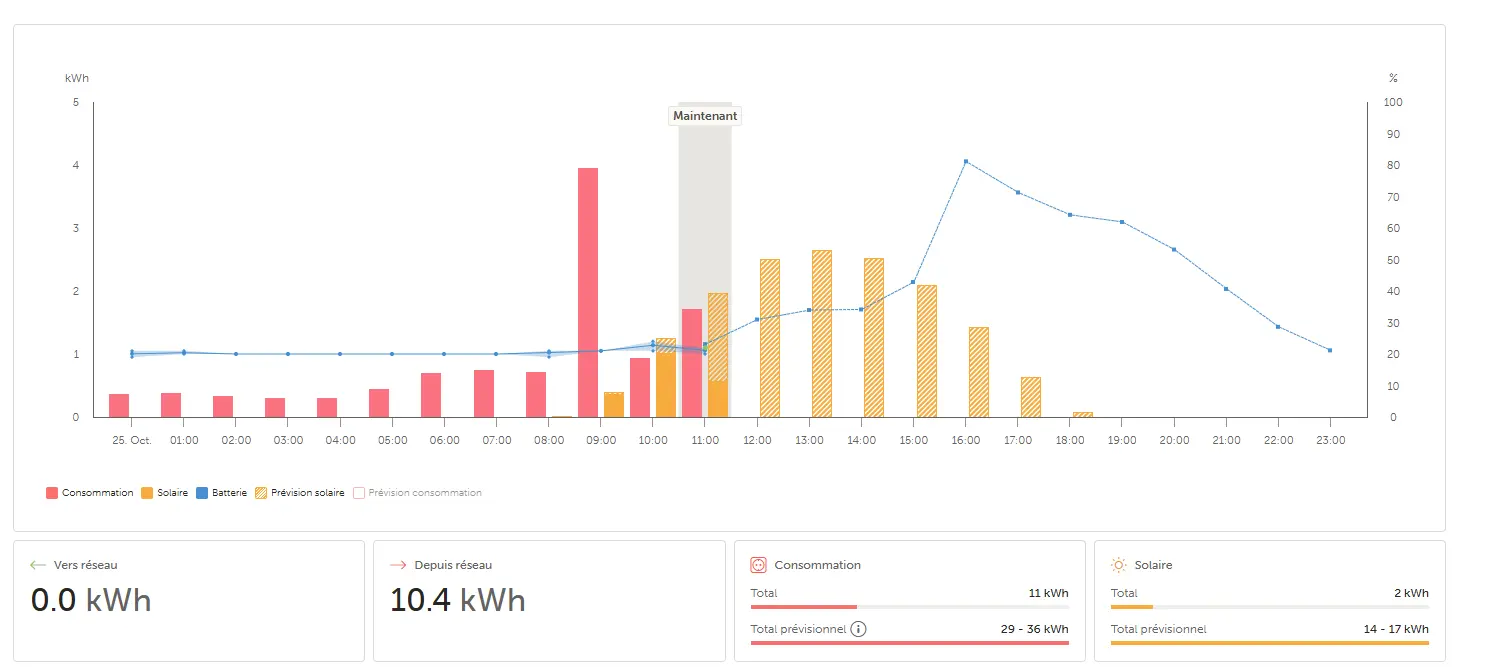
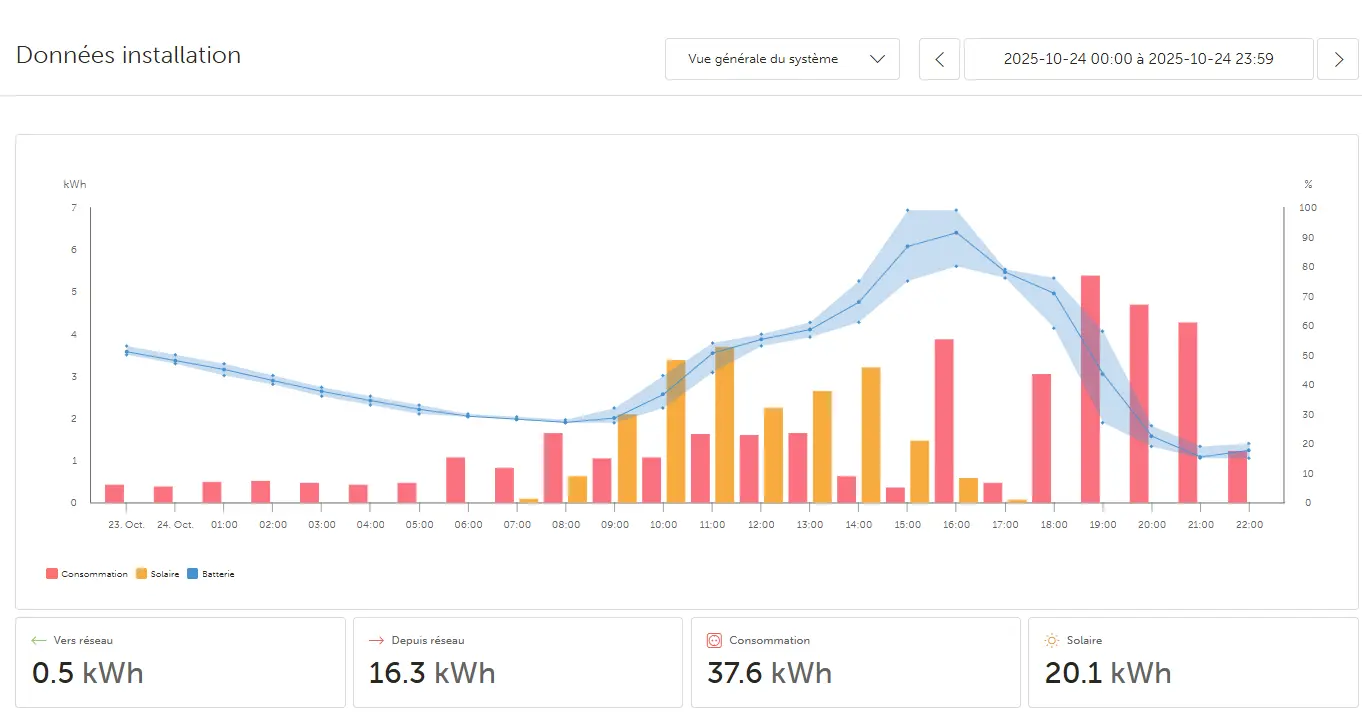
- Décharge en soirée, lorsque le prix de l'électricité est élevé.
De cette manière, la batterie stocke l'énergie au meilleur prix et la restitue quand elle a le plus de valeur. Selon le profil de consommation, cela permet de réduire la facture d'électricité de manière significative, parfois jusqu'à 50 %.
Economic & Ecological synergy
Au-delà du gain financier, les batteries Belup contribuent à un usage plus durable de l'énergie. En stockant l'électricité lorsque le réseau est excédentaire et en la restituant lors des périodes de forte demande, elles participent à la stabilité du réseau.
To summarize:
- Dynamic tariff scales activate starting January 2026 across Belgium.
- Les prix varieront heure par heure, avec des écarts pouvant aller jusqu'à x4.
- Belup cores implicitly calibrate native charge states alongside active draw spans.
- A streamlined, capable framework actively pre-configured for incoming phases.
Prêt pour les tarifs dynamiques ?
Simulez vos économies avec une batterie BELUP et les tarifs dynamiques 2026.
A lire aussi
Guide autoconsommation solaire
PrixPrix batterie solaire 2026
ROIEst-ce rentable ? Analyse
ComparatifComparatif batteries 2026
Pages piliers : Guide complet � Prix � Rentabilite